
Nightlife has its own visual language that people read almost instinctively. After dark, style becomes louder, movements more deliberate, and attention sharper. In a crowded bar or late lounge, attraction rarely begins with conversation. It starts with posture, clothing, timing, and how naturally someone fits into the rhythm of the night. In cities with active evening scenes, this logic is especially visible. A familiar example is Chicago nightlife, where rooftop bars, cocktail lounges, and after hours clubs create situations in which appearance and presence do the talking first. In this context, practical searches like chicago escort often reflect not fantasy, but curiosity about how desire, availability, and nightlife aesthetics intersect in real urban routines.
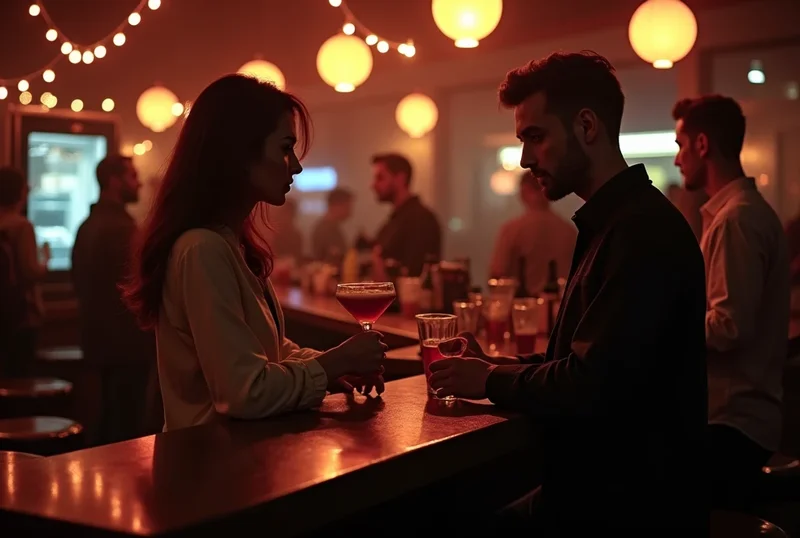
Visual Codes That Shape Nighttime Attraction
Fashion, texture, and silhouette after dark
Clothing at night follows different rules than daytime style. Fabrics catch light differently, silhouettes are sharper, and contrasts become intentional. Black dominates not because it hides, but because it frames movement and skin. Playful nightlife aesthetics often rely on recognizable visual cues that signal openness without directness.
Common elements seen in nightlife fashion include:
- glossy or reflective materials that react to club lighting
- fitted silhouettes that emphasize movement
- deliberate accessories that feel slightly exaggerated for daytime
- footwear designed for walking between venues, not just standing still
These choices communicate confidence and awareness of the setting. They suggest someone who understands the unspoken expectations of the night.
Lighting, color, and atmosphere in nightlife venues
Lighting is one of the strongest drivers of desire in nightlife spaces. Warm tones soften features, neon adds edge, and shadows create distance that invites curiosity. Bars and clubs are designed to make people look better than they do under neutral light. Color becomes emotional rather than decorative. Red feels bold, blue feels cool and controlled, amber feels intimate. These environments encourage playful behavior because they lower social risk and blur strict boundaries.
Playfulness as a Driver of Desire in Nightlife Settings
Humor, irony, and confidence in night culture
Playfulness in nightlife is rarely about jokes. It shows up through irony, relaxed body language, and the ability to not overperform. A slightly unexpected outfit choice or casual confidence often attracts more attention than perfection. Desire responds to ease.
Signals that communicate playfulness include:
- wearing something intentionally unconventional but owned with confidence
- engaging without rushing interactions
- reacting lightly to attention rather than seeking validation
These behaviors create space for attraction to grow naturally rather than being forced.
Urban Nightlife Spaces Where Aesthetics Come Alive
Clubs, bars, and late night social rituals
Nightlife aesthetics are shaped by movement. The walk from one bar to another, the wait at the entrance, the shift in music volume all influence how desire forms. Attraction often builds during transitions rather than at the destination. People notice each other while ordering drinks, navigating crowds, or stepping outside for air. These small moments are where aesthetics become personal rather than performative.
Digital spillover of nightlife aesthetics
What happens at night rarely stays there. Photos, stories, and short clips extend the aesthetic beyond the venue. Carefully casual images posted the next morning reinforce the memory of presence and desirability. This digital layer feeds back into nightlife itself, shaping how people dress and behave the next time out.
Nighttime Confidence and Body Language
Nightlife aesthetics are incomplete without body language. How a person stands, walks, or reacts often matters more than clothing itself. After dark, confidence is read through relaxed movement rather than dominance. Slow gestures, open posture, and calm eye contact signal comfort within the environment. This creates a sense of control without pressure. In playful nightlife settings, desire often forms when someone appears present rather than performative. People are drawn to those who move naturally through space, adapting to the rhythm of music and crowd flow. This physical ease suggests experience and self awareness. Body language becomes a silent extension of style, reinforcing visual cues and making attraction feel spontaneous instead of calculated.
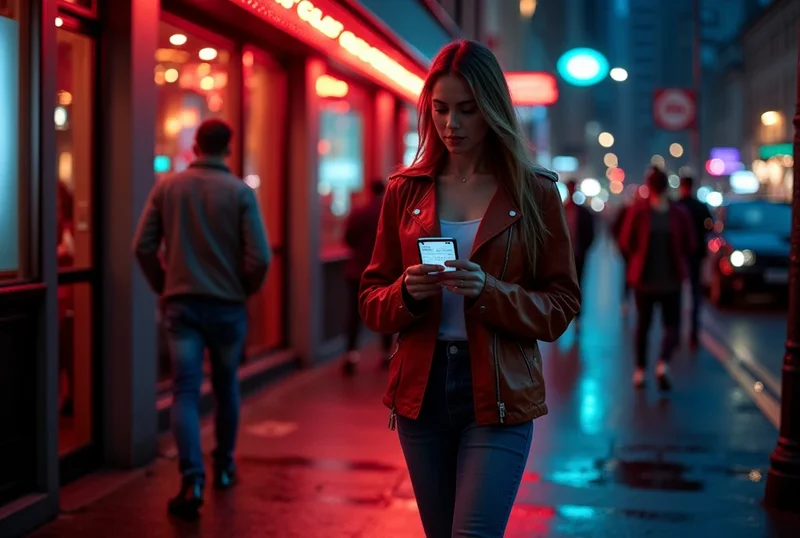
How Nighttime Aesthetics Influence Personal Experience
Choosing presentation based on mood and intention
Not every night aims for the same outcome. Sometimes the goal is social energy, sometimes privacy, sometimes exploration. Nightlife aesthetics allow people to signal intention without explanation. A subtle outfit, minimal makeup, or low key presence can be just as intentional as a bold look. Desire responds to authenticity more than spectacle.
Conclusion
Playful nightlife aesthetics work because they balance visibility with mystery. They rely on environment, timing, and shared cultural cues rather than explicit statements. Desire in nightlife is less about display and more about recognition, the moment when two people notice they are reading the same signals.