Open any creative corner of the internet today, and something stands out almost immediately. People are choosing characters that do not exist. Not as side hobbies. Not as niche interests. As central parts of how they present themselves and how they build communities.
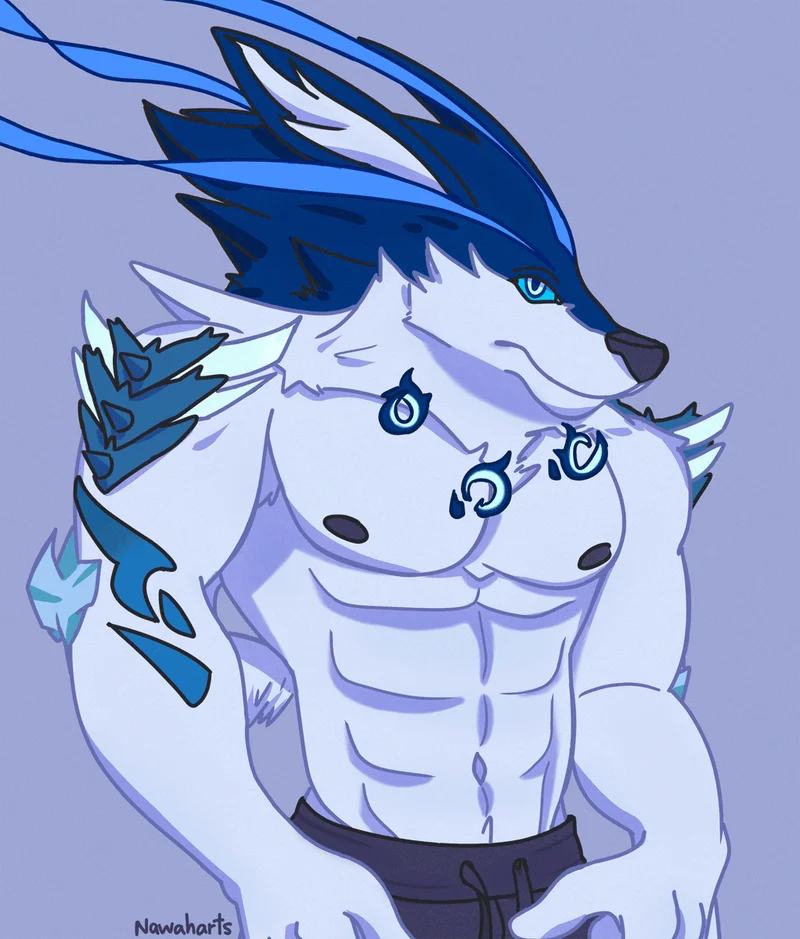
Avatars with glowing eyes. Anthropomorphic figures. Stylized personas with names, personalities, and backstories. In fantasy art circles and creative adult spaces such as furry porn, fictional characters are no longer supporting content. They are the main attraction.
This is not escapism in the old sense. It is a shift in how identity and visual culture work online.
Characters Are Becoming the New Style Icons
For years, style influence came from fashion labels and celebrity imagery. That pipeline has loosened. Today, illustrated characters often set trends faster than real people do.
A new design appears in an art forum. Someone shares a bold color palette. Another artist adapts it into a different body type. Within days, the look spreads into avatars, banners, stickers, and game skins.
Because fictional characters are not limited by real-world physics, artists push visual ideas further. Fur patterns that glow. Clothing that floats. Body proportions that communicate mood rather than anatomy. These experiments travel quickly across platforms, shaping a new kind of aesthetic language.
It is a design culture built in public, in real time.
Community Is the Engine
What makes this movement feel alive is collaboration. Artists do not just post finished pieces. They share drafts, reference sheets, personality notes, and even unfinished sketches. Viewers reply with ideas. Someone redraws the character in a different style. Another adds a short story.
Slowly, a single design becomes a shared creation.
In fantasy-focused communities, including furry porn spaces, this process is common. Original characters gain recognition not because a company marketed them, but because people enjoyed interacting with them. Certain design traits repeat. Certain aesthetics catch on. A visual culture forms organically.
No corporate pipeline. No top-down branding. Just collective taste shaping itself.
Fiction Removes Social Weight
There is another reason fictional characters feel so comfortable online. They carry no real-world baggage.
A photograph of a real person invites comparison. A performance by a real individual carries assumptions. A fictional character does neither. It exists purely as a design and idea.
This gives people room to explore preferences without self-consciousness. They can enjoy dramatic styles, unusual proportions, or bold aesthetics without wondering how it reflects on real identity. Attraction becomes appreciation of art rather than assessment of people.
That separation lowers anxiety and raises creativity. It lets curiosity exist without social pressure.
Technology Opened the Door
Not long ago, creating characters like this required advanced illustration skills. Now digital tools have lowered that barrier. Drawing software, design apps, and assisted creation tools let beginners experiment quickly. People who never considered themselves artists can test colors, shapes, expressions, and poses.
The result is a massive influx of new creators. More creators mean more styles. More styles mean faster evolution. The pace of aesthetic innovation has never been higher.
Identity Is Becoming Designed
What we are really watching is the merging of identity and design. People increasingly choose how they appear online through constructed personas rather than photographs. Avatars are customized. Profiles are stylized. Characters represent mood, humor, taste, or fantasy preference.
It is not about hiding reality. It is about shaping presence.
Fictional characters offer control. Overview. Over tone. Over narrative. That control is deeply appealing in a digital world where visibility often feels unavoidable.
Where This Leads
Fictional characters are no longer side content. They are becoming cultural anchors in online spaces. They influence art styles, digital fashion, gaming aesthetics, streaming personas, and community identity.
Reality still exists alongside this. But it no longer dictates the only way to be seen or admired online.Imagination has stepped into the spotlight.
And it is not stepping back.